Introduction: The Rise of Sustainable Stationery
As environmental awareness grows across the globe, consumers, businesses, and educational institutions are actively seeking eco-friendly alternatives in every aspect of daily life. One such area witnessing a major transformation is stationery. Traditional stationery products often rely on plastic, chemically treated wood, and non-recyclable materials, contributing to deforestation and waste.
This shift has given rise to sustainable stationery trends, where products are designed not only for use but also for environmental responsibility. Among these innovations, seed pencils have emerged as a leading solution—simple, impactful, and inspiring a greener future.
What Are Seed Pencils?
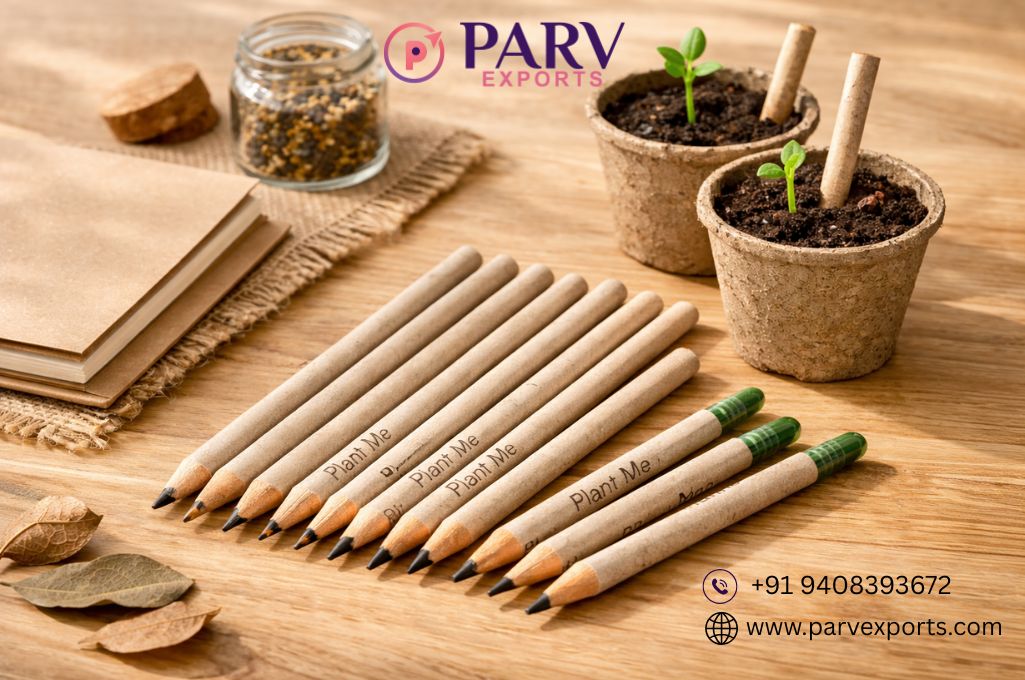
Seed pencils, also known as plantable pencils, are made from recycled paper or biodegradable materials instead of wood. The most unique feature is the seed capsule attached at the end of the pencil. Once the pencil becomes too short to use, it can be planted in soil, where the seed germinates into herbs, flowers, or vegetables.
Common seed varieties include:
-
Basil
-
Tomato
-
Sunflower
-
Coriander
-
Mint
This clever design turns a normally disposable item into a life-giving product, making seed pencils a symbol of sustainability and innovation.
Why Sustainable Stationery Is No Longer Optional
1. Growing Environmental Concerns
Deforestation, plastic pollution, and landfill waste have forced consumers to rethink everyday products. Traditional wooden pencils contribute to tree cutting, while plastic pens often end up in oceans and landfills.
2. Government & Corporate Sustainability Goals
Many countries and organizations are enforcing sustainability policies, encouraging eco-friendly office supplies and green procurement practices.
3. Conscious Consumers
Today’s buyers prefer brands that reflect their values. Eco-friendly stationery aligns perfectly with the mindset of environmentally responsible consumers.
Seed Pencils: Leading the Sustainable Stationery Movement
Seed pencils are not just a trend—they represent a shift in mindset. Here’s why they are leading the sustainable stationery revolution:
1. Zero-Waste Concept
Unlike traditional pencils that are thrown away, seed pencils complete a full life cycle:
Use → Plant → Grow
This zero-waste approach makes them one of the most responsible stationery products available today.
2. Made from Recycled & Biodegradable Materials
Seed pencils are typically manufactured using:
-
Recycled paper
-
Newspaper pulp
-
Natural binders
They decompose naturally in soil, leaving no harmful residue behind.
3. Promotes Environmental Awareness
Every seed pencil carries a message: “Don’t throw me away—plant me.”
This simple idea helps:
-
Educate children about sustainability
-
Encourage eco-conscious habits
-
Promote green living in a practical way
Growing Demand Across Key Sectors
1. Education Sector
Schools and colleges are adopting seed pencils to teach students about:
-
Recycling
-
Plant life cycles
Many institutions include them in eco-awareness programs and green initiatives.
2. Corporate Gifting & Branding
Seed pencils have become a popular corporate gift due to their eco-friendly appeal. Companies use them to:
-
Promote sustainability values
-
Strengthen brand image
-
Offer meaningful giveaways at events
Customized branding on seed pencils adds marketing value while supporting the environment.
3. Retail & E-commerce
Eco-conscious consumers are actively searching for:
-
Sustainable stationery
-
Plastic-free products
-
Green lifestyle items
Seed pencils perform well on online platforms, eco-stores, and gift shops.
Seed Pencils vs Traditional Stationery
| Feature | Traditional Pencils | Seed Pencils |
|---|---|---|
| Material | Wood / Plastic | Recycled Paper |
| Environmental Impact | Tree cutting | Tree planting |
| Waste | Ends in landfill | Grows into plants |
| Reusability | Single-use | Life-extending |
| Eco Value | Low | High |
This comparison clearly shows why seed pencils are becoming the preferred choice.
Why Seed Pencils Are Ideal for Global Markets
Seed pencils are gaining international popularity, especially in regions like:
-
Europe (Germany, Sweden, Netherlands)
-
USA & Canada
-
Australia & New Zealand
-
Japan
Reasons for Global Demand
-
Strong sustainability regulations
-
Plastic bans
-
Preference for ethical products
-
High acceptance of eco-friendly gifting
India, with its access to recycled materials and skilled manufacturing, is emerging as a key exporter of seed pencils worldwide.
Eco-Friendly Innovation Meets Affordability
One of the biggest advantages of seed pencils is their cost-effectiveness. Despite being eco-friendly, they are affordable for:
-
Schools
-
Corporates
-
NGOs
-
Event organizers
This makes seed pencils accessible to mass markets while maintaining sustainability goals.
How Seed Pencils Support a Greener Future
Seed pencils contribute positively to:
-
Reducing deforestation
-
Minimizing stationery waste
-
Encouraging home gardening
-
Promoting sustainable habits
Each planted pencil may grow into a plant that improves air quality, supports biodiversity, and adds greenery to urban spaces.
Future of Sustainable Stationery
The future of stationery lies in:
-
Plantable products
-
Recycled materials
-
Minimal packaging
-
Ethical manufacturing
Seed pencils are paving the way for innovations like:
-
Plantable notebooks
-
Seed paper packaging
-
Biodegradable pens
As awareness grows, sustainable stationery will move from niche to mainstream necessity.
Conclusion: A Small Pencil with a Big Purpose
Seed pencils prove that sustainability doesn’t require complex solutions—sometimes, it starts with a simple pencil. By combining functionality with environmental responsibility, seed pencils have become a leader in sustainable stationery trends.
Whether used in classrooms, offices, or homes, seed pencils remind us that every small action can contribute to a greener planet. Writing with a seed pencil is not just about putting words on paper—it’s about planting hope for the future.